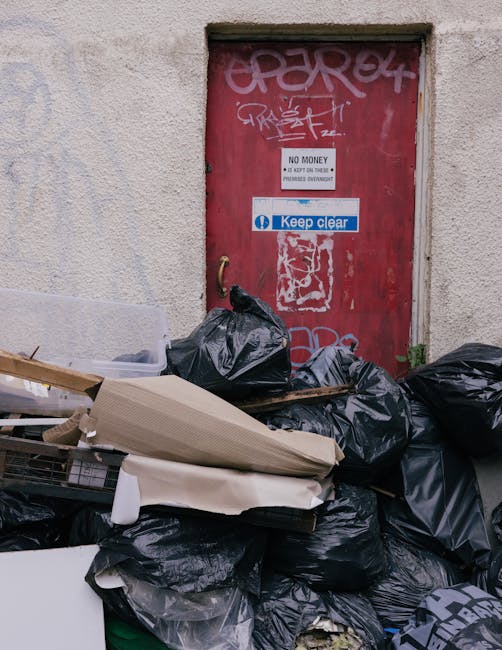
Clapham Common clutter clearance and rubbish removal guide
Posted on 07/05/2026
If your home, flat, office, or garden near Clapham Common has started to feel a bit overwhelmed by "stuff," you are not alone. One bag becomes three, a broken chair waits in the hallway, and suddenly the spare room is doing a very convincing impression of a storage unit. This Clapham Common clutter clearance and rubbish removal guide is here to make the job feel manageable, whether you are clearing out after a move, refreshing a rental, dealing with bulky furniture, or finally tackling that slow-build pile-up. The aim is simple: help you clear space safely, legally, and without wasting time or money.
Clapham Common has its own rhythm. Flats, terraced homes, shared houses, busy streets, and green spaces all create different clearance needs. Some people want a quick domestic tidy-up; others need a fuller house clearance, garden waste removal, or a same-day collection after a last-minute life change. Whatever the situation, a sensible plan usually saves a lot of stress. And yes, it can save your back too.

Why Clapham Common clutter clearance and rubbish removal guide Matters
Clutter has a habit of creeping in quietly. One old sofa, a few boxes from a move, a garden bag that never quite makes it to disposal day, and before long you are navigating around things instead of using the space properly. Around Clapham Common, where many homes are compact and access can be awkward, clutter becomes more than an eyesore. It can affect safety, cleanliness, and day-to-day comfort.
There is also the practical side. Clearing rubbish correctly can help avoid blocked hallways, trip hazards, pest issues, and the unpleasant feeling that the whole place is closing in on you. If you are preparing a property for sale or rent, presentation matters too. A tidy, open room simply feels better. Truth be told, it can change how you feel about a property in about ten seconds.
For businesses near the Common, the same logic applies. Offices, shops, and hospitality spaces need clutter removed quickly and discreetly so work can keep moving. If you are dealing with ongoing commercial waste, it may help to look at a broader commercial waste removal service in Lambeth alongside one-off clearance support.
And for residents who simply want to get on with life again, clutter clearance is often one of those jobs that makes the entire home feel lighter. Less visual noise. Less friction. More breathing room.
How Clapham Common clutter clearance and rubbish removal guide Works
In plain English, clutter clearance is the process of sorting, lifting, loading, and disposing of unwanted items from a property or outdoor space. Rubbish removal is the broader collection and disposal side of that same job. In practice, the best services do both: they help you identify what is going, remove it efficiently, and make sure it is handled responsibly.
The process usually starts with a quick assessment. That might be a look at photos, a site visit, or a short description of what needs removing. The more accurate the information, the better the estimate. Items are then separated into categories such as reusable furniture, recyclable materials, general household waste, garden waste, or bulky items like appliances and mattresses.
A well-run clearance should feel orderly, even if the room itself is not. You should know what is being taken, what may need special handling, and whether there are any access issues. Stairwells in period buildings, narrow front paths, permit concerns, and shared entrances all matter. A straightforward clearance in a ground-floor flat is one thing; a top-floor loft with tight stairs is another entirely. Slightly different job, same end goal.
Some clearances are highly targeted. For example, if the problem is mainly furniture, you may want a specialist furniture removal option. If the issue is a mix of old seating, wardrobes, and damaged household pieces, furniture disposal in Lambeth can be a neat fit. If it is more of a full-property job, a house clearance in Lambeth may be the better route.
Key Benefits and Practical Advantages
A proper clearance service is not just about getting rid of junk. It is about making the space usable again, with as little fuss as possible. That is the real value.
- Faster results: what could take a weekend often gets done in a single visit.
- Less physical strain: bulky items, damp bags, and awkward loads are no joke on narrow stairs.
- Better sorting: recyclable and reusable items can be separated more sensibly than in a rushed DIY clear-out.
- Cleaner finish: a good team usually leaves the area swept through and ready for use.
- Reduced stress: especially useful during moving, probate, refurbishment, or end-of-tenancy pressure.
- More room to plan: when the clutter goes, it becomes easier to measure, decorate, repair, or reorganise.
There is also a hidden benefit people overlook: decision-making gets easier once the space is open again. Do you really want to keep the old wardrobe? Maybe not. But if it is standing in a tight room taking up half the floor, it is hard to think clearly. Remove the obstacle and the answer often appears on its own.
For some households, the financial angle matters too. Resalable items, scrap metal, or usable goods may offset part of a move or clearance project. That is not guaranteed, of course, but it can help. A useful related read is this guide on funding a move with scrap metal and other resalable goods.
Who This Is For and When It Makes Sense
This kind of clearance is useful for a wide mix of people. If you live near Clapham Common and any of the scenarios below sounds familiar, it may be time to act rather than wait for the problem to grow legs.
- Homeowners doing a clean-up before decorating, selling, or letting.
- Tenants preparing for end-of-tenancy inspections or move-out day.
- Landlords and letting agents needing a flat cleared between occupancies.
- Families managing inherited belongings, accumulated storage, or a loft that has become a mystery zone.
- Local businesses clearing old stock, office furniture, packaging, or general waste.
- Anyone with bulky items that are difficult to move safely without help.
It also makes sense when you are short on time. If the items are stacked in a hallway or garden and you simply need them gone quickly, a same-day or next-day collection can be a relief. There is a decent reason searchers often look for quick-response help around busy London neighbourhoods, including services like same-day rubbish removal near Brixton Market.
One thing to watch: not every mess is just a "rubbish problem." Sometimes it is a clearance problem, a storage problem, and a room-layout problem all at once. That is fine. Start with the visible pile-up, and the rest usually becomes clearer.
Step-by-Step Guidance
If you want the process to go smoothly, structure beats guesswork every time. Here is a sensible way to approach a clutter clearance around Clapham Common.
- Walk through the space slowly. Make a note of everything that needs removing. Be honest here; the extra bag in the corner does count.
- Split items into clear groups. Keep, donate/sell, recycle, and remove. If an item is broken, stained, unsafe, or unused for years, it is probably in the remove pile.
- Identify bulky or specialist items. Appliances, mattresses, office desks, and garden waste may need different handling.
- Check access and timing. Stairs, parking, permits, shared entrances, lift use, and neighbour concerns all affect the job.
- Ask for a clear quote. Ideally this should reflect volume, labour, item type, access, and any special disposal needs.
- Prepare the area. Move personal papers, valuables, and anything you are unsure about before the collection day.
- Confirm disposal expectations. Ask where recyclable items go and how reusable goods are treated.
- Inspect the space after removal. Check corners, cupboards, sheds, and behind doors. It is amazing what can hide there.
If you are tackling mixed waste rather than simple bagged rubbish, it may help to compare specific services. For example, rubbish collection in Lambeth works well for general loads, while builders waste disposal in Lambeth is better suited to renovation debris like rubble, plasterboard, or packaging from a refit.
And if you are clearing outdoor space after a long winter or a busy growing season, garden waste removal is often the least stressful route. Wet branches and soil-filled bags are more annoying than they look.
Expert Tips for Better Results
A few small choices can make a surprisingly big difference. In our experience, good clearances tend to be less about brute force and more about planning just enough to avoid chaos.
- Take photos before booking. They help with pricing and avoid surprises on the day.
- Separate valuables early. Important documents, keys, chargers, and sentimental items should be removed first.
- Group items by room. It saves time if the team can work methodically instead of hunting around.
- Be specific about awkward items. A broken wardrobe, a washing machine in a basement, or damp cardboard in a shed are all different headaches.
- Allow for a little flexibility. Real-life clearances rarely run in perfect lines. A drawer is heavier than expected. A corridor is narrower. It happens.
If you are clearing a property with a mix of furniture and appliances, consider whether separate specialist services would help. A dedicated white goods and appliance disposal service can be more efficient for fridges, freezers, cookers, and washing machines.
One more small tip: think in terms of "space created," not just "stuff removed." That mindset helps you choose what is worth clearing now and what can wait. It is a subtle shift, but a useful one.

Common Mistakes to Avoid
Most clearance problems are avoidable. The trouble is that when you are staring at a mess, it is easy to rush. Here are the common traps.
- Mixing everything together: it makes recycling harder and can increase disposal costs.
- Underestimating volume: "just a few bits" often turns into a van-full once the room is actually sorted.
- Forgetting access issues: parking, stairs, and building rules can affect timing more than people expect.
- Leaving paperwork or valuables inside items: check pockets, drawers, cupboards, and old file boxes first.
- Using an unverified operator: if someone can't explain compliance clearly, that is a red flag.
- Assuming all rubbish is the same: textiles, electricals, furniture, and construction waste may need different treatment.
Another quiet mistake is waiting until the clearance becomes urgent. Once you are under pressure, you are more likely to make quick decisions and pay more than you need to. If the room has been bugging you for months, that is usually a sign to deal with it sooner rather than later. A bit unglamorous, sure. Still worth doing.
Tools, Resources and Recommendations
You do not need a mountain of kit for a clearance, but a few practical tools make the job easier and safer.
- Heavy-duty bin bags or sacks for light but bulky waste.
- Moving gloves to protect hands from splinters, sharp edges, and grime.
- Tape and labels for marking keep/recycle/remove categories.
- A torch for lofts, cupboards, sheds, and under-stair areas.
- Measuring tape if furniture needs to be lifted through tight spaces.
- Photographs to track progress and support quotes.
On the service side, it helps to know what type of clearance you actually need. A loft clearance is a different challenge from an office clearance, and both are different again from a full waste removal visit. Choosing the closest fit keeps things efficient.
If you want to understand wider service options before you book anything, the services overview is a useful place to get your bearings. And if you are comparing providers, pricing clarity matters. You can usually avoid confusion by checking pricing and quotes information early on rather than leaving it until the last minute.
Law, Compliance, Standards, or Best Practice
Clearance work is not just about moving things from A to B. It also needs to be done responsibly. In the UK, the practical rule of thumb is straightforward: use a properly authorised waste carrier, make sure waste is taken to suitable facilities, and keep the handling transparent.
For householders and businesses alike, that means asking a few sensible questions. Who is collecting the waste? How will it be handled? Is the provider able to explain its compliance and safety approach in plain English? If the answer is vague, keep asking. You are not being difficult; you are being careful.
Special items need extra thought. Electrical goods, fridges, paint, sharp materials, and certain building waste may need different treatment. If a clearance team knows the difference between a simple furniture load and a mixed waste job, that is a good sign. If they do not, that is not so great.
Safety is another serious point. Large items should be lifted with care, especially in shared stairwells or narrow homes around Clapham Common where a careless move can damage walls, railings, or feet. A professional approach should include sensible handling practices, appropriate equipment, and a plan for awkward access. Insurance and safety guidance is worth reviewing if you want added peace of mind.
For anyone wanting extra reassurance about business ethics and collection standards, the site's waste carrier licence and compliance page is a helpful reference point. It is one of those pages people forget to check until they really need it.
Options, Methods, or Comparison Table
Different clearances call for different approaches. Here is a quick comparison to help you decide what makes sense.
| Method | Best for | Pros | Watch-outs |
|---|---|---|---|
| DIY skip or self-haul | Very bulky, predictable loads | Useful for large jobs if you have time and transport | Heavy lifting, permits, parking, and sorting are on you |
| Man and van rubbish collection | General household rubbish, furniture, mixed clutter | Flexible, fast, and usually easier for urban access | Make sure the provider is suitable for the waste type |
| Specialist item removal | White goods, furniture, garden waste, builders waste | More efficient for specific waste streams | May need separate booking if the load is mixed |
| Full property clearance | House moves, probate, end of tenancy, major declutter | Comprehensive and time-saving | Needs good preparation and clear communication |
If the job includes older sofas, storage units, wardrobes, or mixed furniture, a dedicated furniture removal service may be easier than a general waste collection. And if you are clearing a smaller domestic load, domestic waste collection can be the simpler fit.
Case Study or Real-World Example
Imagine a typical Clapham Common flat: one bedroom, a small hallway, a living room with a sofa that has seen better days, and a loft hatch with boxes from three different addresses. Nothing dramatic. Just life, really.
The resident has a move coming up in ten days. They want to sell a couple of items, donate what they can, and remove the rest without turning the place upside down. First they sort through the flat room by room. In the process, they find a broken lamp, an old monitor, two bags of mixed clothes, and a table they had forgotten existed. Classic.
They photograph the load, note the narrow staircase, and make a list of items that might need special handling. Reusable items are separated. Personal paperwork is removed. The remaining waste is booked for collection. On the day, the space is cleared in one go, and the flat suddenly feels twice as big. Not magic. Just good planning and a practical method.
What matters most in an example like this is not speed alone. It is the combination of sorting, clear communication, and the right service choice. A little preparation turns a stressful scramble into a clean finish, and that is often the difference between dreading the move and getting on with it.
Practical Checklist
Use this simple checklist before your clearance day. It keeps the job tidy and reduces avoidable delays.
- Identify every item that needs removing.
- Separate keep, donate, recycle, and remove piles.
- Take photos for reference and quoting.
- Remove valuables, documents, keys, and medication.
- Check access: stairs, parking, gates, and building rules.
- Flag bulky, heavy, wet, or awkward items in advance.
- Confirm whether appliances, furniture, or garden waste are included.
- Ask about compliance, insurance, and waste handling.
- Set aside a clear path to the items being removed.
- Do a final room-by-room check after the clearance.
Practical summary: the best Clapham Common clutter clearance is the one that is planned just enough to prevent hassle, but not so overcomplicated that it becomes another job in itself. Keep it simple, keep it safe, and keep the end goal in mind: a clean, usable space.
If you are still weighing up whether to book a service now or later, think about the cost of waiting. Extra stress, reduced space, and more sorting later usually cost something too, even if it is not written on an invoice.
Conclusion
Clapham Common clutter clearance and rubbish removal does not need to be a stressful, all-day battle with boxes and bins. With a sensible plan, the right service type, and a clear idea of what needs to go, you can turn a cluttered space into something calm and workable again. That might be a flat, a garden, a loft, an office, or a property getting ready for its next chapter.
The best results usually come from simple habits: sort early, book the right service, check compliance, and avoid leaving everything until the last possible moment. Small jobs stay small that way. Big jobs become manageable. And once the clutter is gone, you really do feel the difference in the room.
Get a free quote today and see how much you can save.
And if you are planning a wider move, refurbishment, or property refresh, it can be useful to browse more context around local living and property decisions too, including community views on living in Lambeth and navigating the Lambeth real estate market. Sometimes the clutter is only one part of a bigger life change, after all.