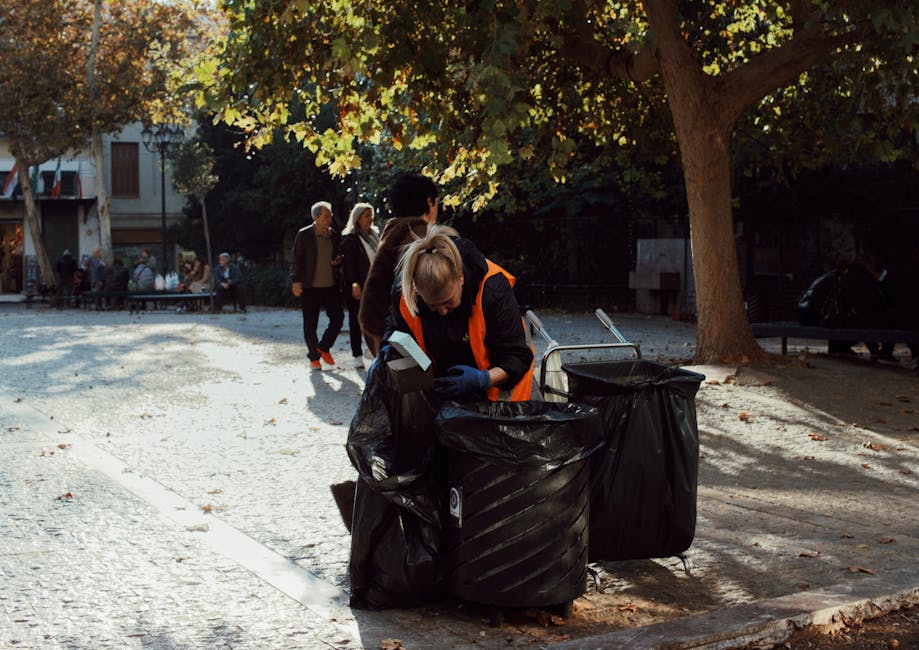
Garden waste collection Brockwell Park estates tips
Posted on 06/07/2026
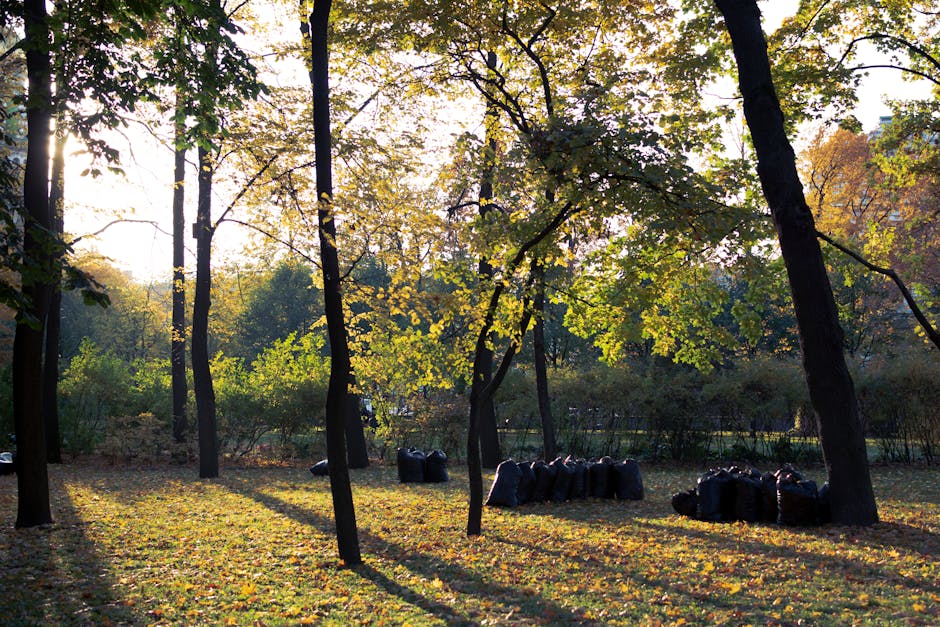
If you live on or near a Brockwell Park estate, garden waste can build up faster than people expect. A tidy courtyard in spring can turn into a bulky mix of hedge cuttings, soil, leaves, broken planters, and old bags of green waste by the weekend. That is where Garden waste collection Brockwell Park estates tips become genuinely useful: not as theory, but as a practical way to keep shared outdoor spaces clean, safe, and easy to use.
This guide walks through how collection usually works, what residents and managing agents should watch for, and the easiest ways to avoid spills, complaints, and hidden hassle. We will also cover compliance, timing, and the kind of small planning steps that make a big difference. To be fair, a few minutes of prep can save a lot of back-and-forth later.
Why Garden waste collection Brockwell Park estates tips Matters
Shared estates near Brockwell Park often have more than one type of outdoor area: front borders, communal lawns, rear gardens, small planting beds, and sometimes patchwork spaces maintained by residents, caretakers, or a managing agent. That mix is lovely when it is under control. When it is not, it becomes awkward very quickly.
Garden waste is not just "rubbish" in the general sense. It is a specific stream of material that usually needs to be handled separately from household waste. Cut branches can puncture bags, damp leaves get heavy fast, and soil adds weight in a way that surprises people every time. If you are organising collection for a block or estate, planning matters because access, lifting, and loading all become part of the job.
There is also a community angle. On estates, one person leaving a heap of hedge cuttings by a bin store can create a ripple effect. It smells, it blocks access, and before long someone else is grumbling about it in the communal chat. Not exactly the vibe anyone wants on a Monday morning.
Good collection habits help with:
- keeping communal paths clear and safe
- reducing pest attraction from rotting organic material
- avoiding trips, slips, and blocked access points
- making scheduled maintenance easier for gardeners and caretakers
- supporting better recycling and composting outcomes
If your estate also deals with mixed clear-outs, you may find it useful to look at broader service information such as the services overview and practical guidance on recycling and sustainability. They help frame the bigger picture, especially when garden waste sits alongside other household or communal waste streams.
How Garden waste collection Brockwell Park estates tips Works
At a simple level, collection starts with sorting garden waste into a form that can be safely moved, loaded, and processed. In practice, estates usually need a little more coordination than a single-house garden clear-up.
Here is how it normally works from start to finish:
- Identify what needs removing. This could include grass cuttings, hedge trimmings, branches, weeds, leaves, old compost, and broken plant containers.
- Separate garden waste from general waste. Mixed bags are slower to handle and may cost more to process.
- Decide the access route. Estate gates, narrow paths, basement steps, or vehicle access restrictions can all affect the removal plan.
- Choose the collection method. That might mean bags, tubs, bundled branches, or loose loading where appropriate.
- Load and remove the waste. This is where a licensed team, proper lifting practices, and the right vehicle matter.
- Send it for responsible processing. Garden waste is usually aimed at composting or green recycling streams where suitable.
On Brockwell Park estates, timing is often the hidden variable. A quiet mid-morning pickup can be far less disruptive than an afternoon slot when residents are coming and going, children are outside, or parking is tight. A bit of local sense goes a long way. Truth be told, the best job is the one nobody really notices.
If you are comparing removal options, the broader garden waste removal in Lambeth page gives a useful sense of what a professional collection can cover, while rubbish collection in Lambeth is helpful when the waste is mixed with other small domestic items.
Key Benefits and Practical Advantages
The obvious benefit is a tidier estate. But once you look a little closer, the real value is usually in the details.
- Cleaner communal areas: no piles of branches or soggy grass bags sitting near bin stores or walkways.
- Lower risk of complaints: residents tend to react quickly when a shared space starts looking unmanaged.
- Better safety: clear paths and fewer sharp or heavy items reduce avoidable hazards.
- More efficient maintenance: gardeners and caretakers can work properly when they are not stepping around old cuttings.
- Stronger presentation: which matters if the estate is resident-led, managed, or part of a property investment decision.
That last point is worth saying plainly. Clean grounds affect how people feel about a place. If you are a leaseholder, landlord, resident director, or managing agent, the appearance of shared outdoor space influences trust. It sounds small, but it really isn't.
There is also a sustainability angle. Organic material can often be handled more responsibly when it is separated early. That aligns well with wider waste policy thinking, and it is one reason many people prefer a dedicated green-waste approach rather than a mixed, catch-all clear-out.
For a little more context on how rubbish services fit into the local area, the article on community views on living in Lambeth is a useful companion read. It is not about gardens specifically, but it does highlight how residents think about everyday upkeep and shared spaces.
Who This Is For and When It Makes Sense
This topic is not just for people with big lawns or elaborate borders. In and around Brockwell Park estates, a lot of very ordinary situations create garden waste.
- Residents with small private gardens who do seasonal pruning or replanting.
- Estate managers and caretakers who need routine communal clearance.
- Landlords and letting agents preparing a property between tenancies.
- Resident associations arranging one-off shared tidy-ups.
- Gardeners and maintenance teams looking for a reliable end-of-job collection.
It makes sense when the amount is too much for normal bins, when the waste is too heavy to move in ordinary bags, or when the estate does not have a convenient council-style green bin setup. It also makes sense when the job needs to happen quickly. A Sunday afternoon after trimming back overgrown hedges is a classic case. You start with "just a few bags" and somehow end up with a small mountain by the shed. Happens all the time.
Sometimes, garden waste collection sits beside other clearance needs. For example, a resident may be clearing ivy from a garden wall and at the same time replacing broken outdoor furniture. In those cases, it may be sensible to combine services such as furniture disposal in Lambeth or even domestic waste collection if the load is mixed and lawful to collect together. The key is not to guess. Separate what should be separated.
Step-by-Step Guidance
If you want a smooth collection day, use a simple process. Nothing fancy. Just organised.
- Walk the site first. Check where the waste is, where vehicles can get close, and whether there are stairways, locked gates, or awkward corners.
- Sort the waste into sensible piles. Put branches with branches, leaves with leaves, and keep soil separate if possible.
- Remove contamination. Pot fragments, plastic ties, plant labels, and stray household rubbish should be taken out where possible.
- Bag or bundle safely. Use strong sacks for loose material and tie branches in manageable bundles.
- Keep access clear. Leave enough space for people to pass and for the collection team to move without dragging waste through communal areas.
- Check the timing. Avoid school-run peaks, bin days, or times when parking is likely to be jammed.
- Confirm what will be collected. If the load includes heavy soil, treated timber, or mixed items, say so early.
A small but important point: do not overfill bags. Heavy, wet garden waste is notorious for splitting at the worst possible moment. You do not want to be sweeping grass out of a corridor while trying to keep other residents happy. Nobody wins there.
If the job needs to happen fast, a same-day or short-notice service can be helpful. For a local example of how speed matters in busy parts of the borough, see same-day rubbish removal in Brixton Market SW9. It is not the same setting, but the planning logic is very similar: access, timing, and efficient loading matter more than people expect.
Expert Tips for Better Results
These are the small things that usually separate a smooth collection from a slightly chaotic one.
- Cut waste down before collection. Shorter branches are easier to handle and less likely to snag on railings or doors.
- Keep wet material contained. Leaves and grass clumps can leak water and leave a messy trail if handled badly.
- Plan around the estate layout. If there is only one narrow access point, stage the waste in waves rather than blocking everything at once.
- Use a designated temporary holding area. A sheltered corner or hard-standing area is better than placing waste where it can blow around.
- Photograph the pile before removal. It sounds dull, but it helps when confirming scope, especially for shared or managed properties.
- Ask about what happens next. A trustworthy team should be able to explain where the waste is going in broad terms, such as green recycling or responsible processing.
One more thing: if you are collecting after a big seasonal cutback, assume there will be more material than you think. Every single time, the heap grows. It is almost comic. You trim one hedge and suddenly you are staring at what looks like a small forest.
For estates with a wider clearance plan, it can also help to look at related services such as waste removal in Lambeth or house clearance in Lambeth when the job includes outdoor clutter, storage items, or old communal equipment.
Common Mistakes to Avoid
Most problems are preventable. That is the frustrating part, but also the good news.
- Mixing garden waste with general rubbish. This slows everything down and can create disposal issues.
- Leaving waste in the wrong place. A bin store, fire exit, or narrow shared path is not a holding area.
- Underestimating weight. Soil, wet turf, and compacted plant matter can be much heavier than they look.
- Forgetting access details. Gated entrances, permit parking, and coded doors should be mentioned early.
- Ignoring neighbours. A quick note to residents can prevent confusion, especially where vehicles need space.
- Choosing on price alone. Cheap looks clever until someone turns up without the right vehicle, the right licence, or a clear plan.
It is also worth being cautious about hidden extras. In local rubbish work, the cheapest quote can become the most expensive if the job description was vague. If you want a better sense of how to compare offers, cheap rubbish removal quotes in Lambeth is worth reading, along with hidden rubbish removal charges and how to avoid them.
Tools, Resources and Recommendations
You do not need a huge kit, but a few basic tools make estate garden clearances much smoother.
| Tool or item | Why it helps | Best use |
|---|---|---|
| Heavy-duty garden bags | Safer than thin refuse sacks for damp, awkward material | Leaves, cuttings, and lighter mixed green waste |
| Tarpaulin | Keeps piles together and reduces mess while moving waste | Staging waste near an access point |
| Loppers and pruning saws | Reduce branch size so loading is safer and faster | Pre-collection preparation |
| Wheelbarrow or garden trolley | Makes short-distance movement easier on estates | Moving waste from back gardens or courtyards |
| Gloves and sturdy footwear | Protect against splinters, brambles, and slippery ground | Any handling stage |
Useful recommendations are often simple: keep materials dry where possible, make lifting easier by reducing size early, and confirm whether your collection needs to be bundled, bagged, or staged in a certain way. If the estate includes larger outdoor clearances or mixed loads, it may help to review builders waste disposal in Lambeth for heavier renovation debris and rubbish removal in Lambeth for broader collections.
If you are comparing wider local services, the article on Clapham Common clutter clearance and rubbish removal gives another nearby example of how outdoor spaces need a calm, organised approach. Different setting, same principle.
Law, Compliance, Standards, or Best Practice
Garden waste may look harmless, but collection still needs to be handled properly. In the UK, waste carriers should be licensed appropriately, and anyone handing over waste has a responsibility to use a legitimate collector. That does not mean every job becomes complicated. It just means you should not hand material to a van with no clear credentials and hope for the best.
For estate managers and residents, the safest approach is to work with a team that understands waste handling, insurance, and proper disposal routes. You should also be cautious with any mixed waste that contains items beyond normal green material. For example, treated wood, old fencing, broken pots, or household rubbish may need different handling from leaves and branches.
Best practice usually includes:
- keeping garden waste separate from general rubbish where possible
- confirming access and load details before collection day
- using insured, appropriately licensed waste collectors
- avoiding illegal fly-tipping or unverified handovers
- documenting the removal for estate records if needed
There is also a practical compliance angle for businesses and managing agents that deal with recurring collections. It can be sensible to understand service terms, payment handling, and general operational standards before booking. A few helpful reference pages are waste carrier licence and compliance, insurance and safety, and terms and conditions.
When in doubt, keep the rule simple: if the collector cannot clearly explain how the waste will be handled, that is a warning sign. Better to pause than to create a problem you will have to undo later.
Options, Methods, or Comparison Table
Different estates need different collection methods. There is no one perfect answer, but there is usually a sensible fit.
| Method | Best for | Pros | Watch-outs |
|---|---|---|---|
| Bagged collection | Small to medium garden tidy-ups | Simple, tidy, easy to stage | Overfilled bags can split if wet or heavy |
| Bundled branch removal | Pruning jobs and hedge cuts | Efficient and neat | Branches must be tied safely and kept manageable |
| Loose loading | Larger estate clearances | Fast for substantial volumes | Needs good access and a careful loading plan |
| Mixed clear-out | Gardens plus broken outdoor items or household clutter | Convenient if items are lawful to collect together | Needs clear sorting to avoid confusion or extra handling |
In many Brockwell Park estate situations, a mixed approach works best: bags for soft material, bundles for branches, and a separate pile for anything that should not go with the green waste. It is a little old-fashioned, maybe, but orderly works. And orderly is usually cheaper in time and stress.
Case Study or Real-World Example
Here is a typical estate scenario, based on the sort of job that crops up in this part of Lambeth.
A resident committee arranges a spring tidy-up after several weeks of growth have left the shared garden looking a bit tired. There are hedge clippings near the fence line, a patch of old weeds by the side path, and a stack of broken plant pots left from the previous season. The group initially thinks it is a "quick bag-up job", but once they start sorting, they realise access is tighter than expected and the waste is heavier than expected too.
The sensible move is to stage the material in one clear area, separate the branches from the softer waste, and keep the communal pathway open. A collection team can then work through the load without dragging debris through the estate. The whole thing becomes far less stressful than trying to shift everything in one noisy rush.
What changed the outcome was not brute force. It was planning:
- the waste was separated before the team arrived
- access was checked in advance
- the committee notified residents about the collection window
- heavy items were identified early instead of hidden in bags
That kind of prep is exactly why Garden waste collection Brockwell Park estates tips can be so valuable. Small operational decisions make shared spaces feel calmer, and that calm is often the real win.
If your situation is more like a broader flat or estate clear-out, the local case study on a Brixton flat house clearance before and after offers a useful reminder of how much difference organisation can make.
Practical Checklist
Use this quick checklist before collection day.
- Have we identified exactly what counts as garden waste?
- Have we separated leaves, grass, branches, soil, and non-garden items?
- Are any bags too heavy or likely to split?
- Is the access route clear for people and vehicles?
- Have residents been told when the collection will happen?
- Do we know where the waste will be staged temporarily?
- Have we checked for locked gates, codes, or parking restrictions?
- Are there mixed items that need separate handling?
- Have we confirmed the collection details in writing or by clear message?
- Have we kept a note for estate records if needed?
If the answer to any of these is "not yet", that is fine. Fix it now rather than on the morning of the collection. You will thank yourself later.
Get a free quote today and see how much you can save.
Conclusion
Garden waste collection around Brockwell Park estates is really about making shared outdoor life easier. Done well, it keeps communal areas tidy, prevents avoidable mess, and reduces friction between residents, caretakers, and managers. Done badly, it turns into a small nuisance that somehow becomes everyone's problem.
The best approach is usually straightforward: sort waste properly, plan the access, avoid overfilled bags, and work with a licensed, insured team that understands local estate logistics. That is the practical heart of Garden waste collection Brockwell Park estates tips. Not glamourous, but useful. Very useful.
If you are preparing a seasonal clearance or trying to make a recurring collection routine easier, start small, stay organised, and keep the process clear for everyone involved. That quiet, steady approach tends to pay off. And on a busy estate, calm is worth a lot.